

Uber Driver Earnings Melbourne 2026: Real Weekly Numbers (Melbourne Focus)
Updated April 13, 2026
📝Article Summary
- Complete guide to uber driver earnings melbourne 2026: real weekly numbers (melbourne focus)
- Expert insights from Melbourne rideshare professionals
- Practical tips for maximizing your rideshare earnings
- Detailed information about vehicles, locations, and strategies
- Contact information and next steps to get started
Last updated: April 2026. This guide has been reviewed and updated with current platform data.
Real Uber Earnings in Melbourne: What to Expect in 2026
Thinking about driving Uber in Melbourne? Understanding realistic earnings potential is crucial for making an informed decision. If you want general Melbourne-wide earnings figures rather than a western-suburbs breakdown, see our Uber driver profit guide instead. This comprehensive guide breaks down actual income data from drivers operating in Tarneit, Werribee, Point Cook, and surrounding areas, showing you exactly what you can earn and how to maximize your profits.
Average Uber Earnings by Driver Type in Tarneit, Werribee & Point Cook
Earnings vary significantly based on your driving schedule and strategy. Here's what drivers in Melbourne are actually making:
Full-Time Uber Driver (45-50 hours/week)
Full-time drivers earn the most, because they cover the most hours and the most peak periods. Their main fixed cost is the weekly rental; fuel, tolls and fines are paid by the driver.
Part-Time Strategic Driver (25-30 hours/week, peak hours only)
Part-time drivers who focus on peak hours get a strong hourly rate for the time they put in, and can keep costs down with daily hire on the days they drive.
Weekend Warrior (Friday-Sunday nights, 15-20 hours)
Weekend-only drivers target the busiest Friday and Saturday night windows, a useful supplement to other income, with daily hire covering only the days worked.
Breaking Down Your Earnings: Revenue Streams
Understanding where your money comes from helps you maximize income:
How Uber Fares Are Built
Uber fares combine a base fare, a per-minute rate, a per-kilometre rate and a minimum fare, with a booking fee that goes to Uber. Uber sets these rates and changes them over time, so check the current structure for Melbourne in the Uber app.
Surge Pricing Multipliers
Where the real money is made:
- Morning peak (7-9 AM): 1.2x-1.5x in residential areas
- Evening peak (4-7 PM): 1.3x-1.8x near train stations
- Friday/Saturday nights (10 PM-2 AM): 1.5x-2.5x in entertainment districts
- Rain/bad weather: 1.3x-2.0x anytime
- Major events: 2.0x-3.0x near venues
Airport Trips: The Profit Centers
Melbourne Airport runs from Melbourne are highly profitable:
- Point Cook to Airport: 35-45 minutes
- Werribee to Airport: 40-50 minutes
- Tarneit to Airport: 45-55 minutes
- Return queue advantage: Often get immediate pickup
- Tips more common: Business travelers tip 10-20%
Complete Expense Breakdown
Know your costs to maximize profits:
Vehicle Rental Costs
Using a rideshare-ready hybrid from Baraka:
- Weekly rental: $240-$300/week
- Includes: Comprehensive insurance for personal and rideshare use
- Includes: Registration and maintenance
- Includes: Roadside assistance
Fuel Costs: Hybrid vs Conventional
Why hybrid vehicles are essential for profitability:
- Toyota Corolla Hybrid (4.2L/100km): the lowest fuel use of the three over 1,500km a week
- Toyota Camry Hybrid (4.8L/100km): low fuel use over 1,500km a week
- Conventional sedan (7-9L/100km): much higher fuel use over 1,500km a week
- Savings with hybrid: a large fuel saving over a year
Additional Operating Costs
- Phone and data plan
- Phone mount and accessories (one-time)
- Cleaning supplies
- Water bottles for passengers (optional but increases ratings)
- Car fresheners
- Phone chargers, multiple types (one-time)
Peak Earning Strategies for Melbourne
Maximize your hourly rate with strategic positioning:
Monday to Friday Strategy
Morning Peak (6:30-9:30 AM) - Highest hourly rate
- Position: Near train stations in Tarneit, Werribee, Williams Landing
- Target: CBD commuters, airport workers
- Pro tip: Position 10 minutes before peak starts
Mid-Day Period (10:00 AM-3:00 PM) - Moderate demand
- Position: Shopping centers, medical precincts
- Target: Shopping trips, appointments
- Pro tip: Stay near Pacific Werribee, Tarneit Central
Evening Peak (4:00-7:30 PM) - Premium rates
- Position: Business parks, train stations, residential hubs
- Target: Commuters heading home, dinner trips
- Pro tip: Follow the surge zones on your app
Late Night (10:00 PM-2:00 AM) - Consistent demand
- Position: Entertainment venues, late-night dining
- Target: Night out passengers, hospitality workers
- Pro tip: Less competition, decent hourly rate
Weekend Strategy
Friday/Saturday Nights (7:00 PM-3:00 AM) - Maximum earning potential
- Position: Restaurants, bars, entertainment districts
- Surge multipliers: 1.5x-2.5x common
- Pro tip: Start positioning at 9 PM for late-night surge
Sunday Morning/Afternoon (8:00 AM-2:00 PM) - Steady income
- Position: Brunch spots, cafes, retail centers
- Target: Leisure trips, shopping, family outings
- Pro tip: Consistent demand, pleasant passengers
Location-Specific Earning Opportunities
Each western suburb offers unique advantages:
Point Cook - Premium Market
- Demographics: Affluent families, professionals
- Average trip value: higher than many other suburbs
- Tipping: common on airport and night runs
- Best times: Airport runs, weekend leisure
Werribee - Volume Market
- Demographics: Mixed, high demand
- Average trip value: Moderate, high volume compensates
- Best spots: Train station, Werribee Plaza, hospital
- Best times: Peak hours, events, medical appointments
Tarneit - Growth Market
- Demographics: Young families, first-home buyers
- Average trip value: Good mix of short and long trips
- Best spots: Tarneit Central, train station, new estates
- Best times: School runs, evening peak, weekends
Tax Deductions and Record Keeping
Maximize your after-tax income with proper deductions:
Claimable Expenses
- Vehicle rental costs: 100% deductible
- Fuel expenses: 100% for business use
- Phone and data plan: Percentage used for rideshare
- Car cleaning and supplies: 100% deductible
- Phone accessories: Mounts, chargers, etc.
- Toll roads: When used for rideshare trips
- Parking fees: While waiting for pickups
Record Keeping Best Practices
- Use Uber's tax summary: Downloaded from the driver app
- Track fuel receipts: Store digitally with apps like Dext
- Log rental payments: Keep invoices from Baraka Car Rentals
- Document other expenses: Keep all receipts
- Consider accounting software: QuickBooks Self-Employed, MYOB
Maximizing Your Earnings: Pro Tips
Strategies used by top-earning drivers:
Maintain a High Rating (4.85+)
- Keep vehicle immaculate: Daily cleaning inside and out
- Provide water bottles: a low-cost touch that can increase tips
- Offer phone chargers: Multiple cable types
- Perfect navigation: Know shortcuts, avoid construction
- Professional service: Greeting, door service, pleasant conversation
Strategic Positioning
- Study surge patterns: Same times and locations daily
- Position before peak: Be there when demand starts
- Follow the demand: Move between hotspots
- Airport strategy: Late night returns are goldmines
- Event calendar: Concerts, sports, festivals create surges
Diversify Income Streams
- Multi-platform: Run Uber, DiDi simultaneously
- Uber Eats between rides: Fill dead time with deliveries (Uber Eats car rental in Melbourne)
- Premium services: Qualify for Uber Comfort, Uber Premier
- Pet-friendly trips: Cater to pet owners for premium rates
First Month Timeline and Expectations
Realistic expectations for new drivers:
Week 1: Learning Phase
- Focus: Learning the app, navigation, hotspots
- Hours: 25-35 hours
- Earnings potential: Lower as you learn
- Goal: Complete 50 trips, maintain 4.8+ rating
Week 2-3: Building Momentum
- Focus: Implementing strategies, finding best times
- Hours: 35-45 hours
- Earnings potential: Improving with experience
- Goal: Identify your profitable routes and times
Week 4+: Optimization Phase
- Focus: Maximizing hourly rate, strategic positioning
- Hours: 45-50 hours
- Earnings potential: Full potential realized
- Goal: A consistent weekly net income
Frequently Asked Questions
Is Uber driving profitable in Melbourne?
Yes, with the right strategy and vehicle. Full-time drivers using hybrid vehicles from Baraka Car Rentals earn a solid weekly income after costs, and part-time drivers can use it to supplement other income. The key is using fuel-efficient hybrids and targeting peak times.
How much do Uber drivers actually make per hour?
After all expenses (rental, fuel), full-time drivers who focus on peak periods earn a solid effective hourly rate. Strategic drivers do better during surge periods (Friday/Saturday nights, evening peaks).
What are the best times to drive Uber in Melbourne?
Highest earnings: Friday/Saturday nights (7 PM-3 AM) with surge rates of 1.5x-2.5x. Morning peak (6:30-9:30 AM) and evening peak (4-7:30 PM) on weekdays also offer excellent returns. Avoid mid-day periods (10 AM-3 PM) unless near shopping centers.
Do I need my own car to drive Uber?
No, renting is often more profitable. Baraka's hybrid rentals include comprehensive insurance for personal and rideshare use, maintenance, and registration. With rental, you avoid depreciation, major repairs, and can immediately start with a registered, efficient vehicle.
How much does fuel cost for Uber drivers?
With a hybrid (recommended), weekly fuel costs for 1,500km are much lower than with a conventional car. Over a year that adds up to a significant saving and a real profit difference.
Can you earn a strong weekly income driving Uber?
A strong gross is achievable working 50+ hours during strategic times. Your main fixed cost is the hybrid rental ($240-$300/week depending on model); fuel, tolls and fines are paid by the driver, so your net depends on the hours and times you drive. The most consistent earners target peak periods and premium service tiers.
Getting Started with Baraka Car Rentals
Ready to start earning? Baraka Car Rentals makes it simple, and if you still need a vehicle, Uber Comfort and UberXL car rental and rideshare car rental options is available on a weekly basis:
- Location: 16 Ishtar Street, Tarneit 3029
- Phone: 0461 555 511
- Fleet: Toyota Corolla, Camry, RAV4 Hybrids
- Includes: Comprehensive insurance for personal and rideshare use
- Includes: Registration and maintenance
- Rental: From $240/week
- Same-day setup: Start earning today
Visit our showroom in Tarneit to discuss your driving plans and select the perfect hybrid for your rideshare business. Our team shares local knowledge of the best routes, times, and strategies to maximize your Melbourne earnings.
Our Services
Explore our range of car rental options in Melbourne designed for rideshare drivers and personal use. From daily rentals to long-term hire, we have flexible options to suit your needs.
Locations We Serve
Baraka Car Rentals serves drivers across Melbourne from our pickup at 16 Ishtar Street, Tarneit.
Ready to Get Started?
Contact Baraka Car Rentals today to rent your perfect rideshare vehicle. Explore our Uber car hire in Melbourne and rideshare car rental options.
Location: 16 Ishtar Street, Tarneit 3029 · Phone: 0461 555 511
Related Articles
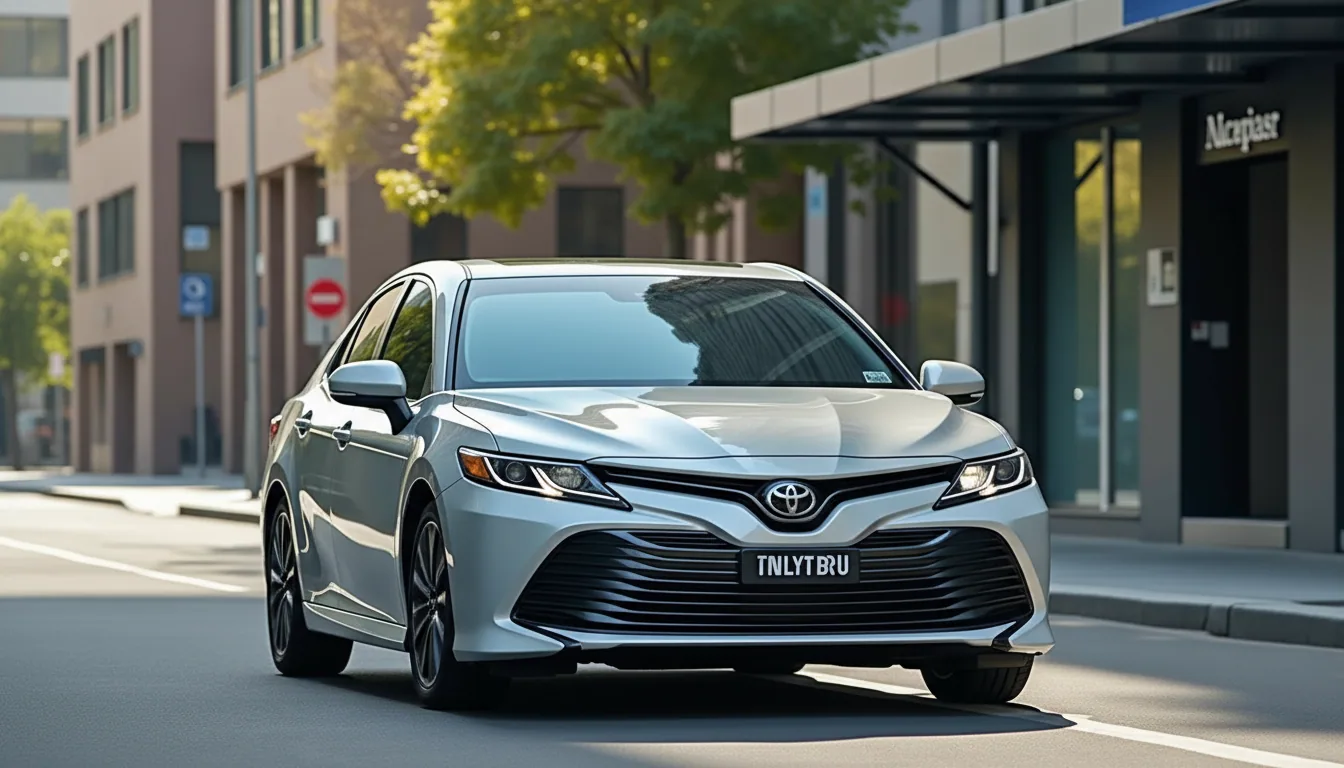
Complete 2026 Guide to Rideshare Vehicle Hire in Melbourne
Your comprehensive guide to renting the perfect vehicle for Uber driving in Melbourne, with special focus on hybrid efficiency and Melbourne coverage.
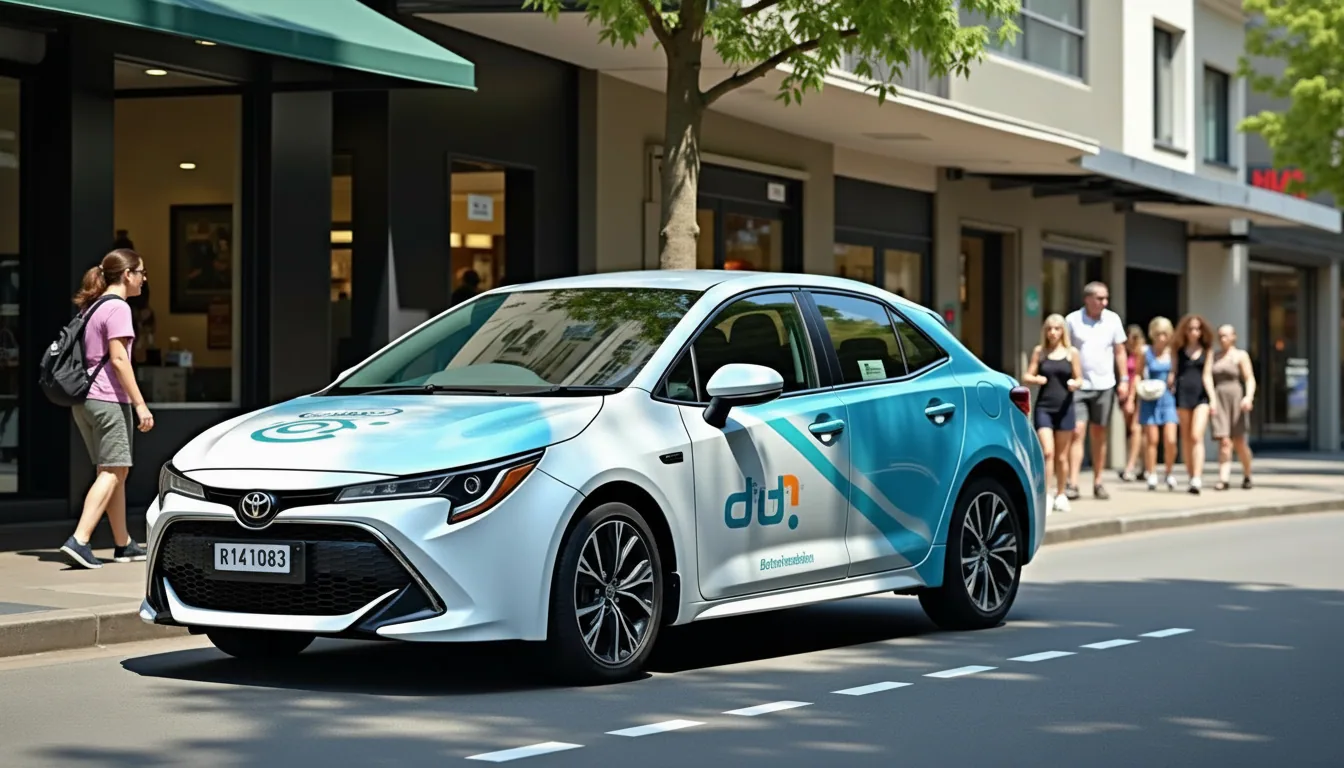
DiDi Driver Requirements in Victoria (2026): Licence, Accreditation, Car and Inspection
A plain guide to DiDi's driver requirements in Victoria: the licence, ABN, accreditation and ID DiDi asks of drivers, and the car and inspection rules, with the cars Baraka rents for DiDi work.
Comprehensive insurance (personal and rideshare) Melbourne: Complete Protection Guide
Essential guide to comprehensive insurance for personal and rideshare use requirements in Melbourne and why all Baraka rentals include comprehensive coverage.